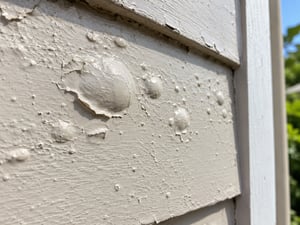
If you notice bubbles forming underneath your home's exterior paint, the problem usually goes deeper than appearance.
Paint bubbling—also called paint blistering—happens when the paint film loses adhesion and begins lifting away from the surface underneath. Moisture, high humidity, inadequate surface preparation, contamination, aging coatings, and unsuitable painting conditions can all contribute to blistering.
For homeowners on Oahu and Maui, Hawaii's humidity, rain, coastal salt exposure, and strong sun make proper preparation and product selection especially important.
Quick Answer: Why Is My Exterior Paint Bubbling?
Exterior paint usually bubbles or blisters because the coating is no longer properly bonded to the surface beneath it.
Common causes include:
- Poor surface preparation
- Moisture and high humidity
- Aging or already-failing paint
- Salt and surface contamination
- Incorrect or incompatible primer
- Lower-quality or inappropriate coatings
- Painting before the surface is sufficiently dry
- Moisture entering from behind the painted surface
Simply painting over the bubbles usually does not solve the problem. The failed coating should be removed, the underlying cause identified, and the surface properly prepared before primer and new paint are applied.
Table of Contents
- What Paint Bubbling and Blistering Mean
- Common Causes of Bubbling Paint in Hawaii
- How Hawaii's Climate Affects Exterior Paint
- Bubbling on Different Exterior Surfaces
- Bubbling vs. Peeling vs. Cracking
- Can You Paint Over Bubbling Paint?
- How Bubbling Exterior Paint Is Repaired
- Spot Repair vs. Full Exterior Repaint
- Can You Fix Bubbling Paint Yourself?
- How to Help Prevent Paint Bubbling
- What About Bubbling Paint Indoors?
- Frequently Asked Questions
What Does Bubbling or Blistering Paint Mean?
Paint bubbling and paint blistering describe essentially the same coating failure: sections of paint lift away from the surface and form visible bubbles or raised areas.
The bubble itself is only the symptom.
The more important question is:
Why did the paint lose adhesion?
A homeowner may see a small blister and assume that another coat of paint will cover it. But if moisture, contamination, deteriorated paint, or improper preparation caused the problem, adding another coat can leave the underlying failure in place.
That's why identifying the cause should come before repainting.
Common Causes of Exterior Paint Bubbling in Hawaii
1. Poor Surface Preparation
Preparation is one of the most important parts of an exterior painting project.
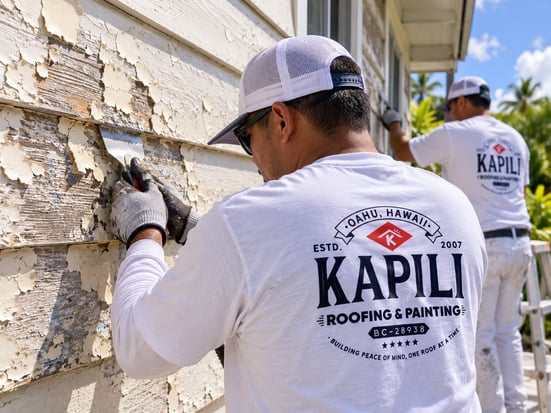
Paint needs a sound, clean, properly prepared surface to bond correctly. Painting over dirt, chalking, loose paint, mildew, contaminants, or an unstable existing coating can interfere with adhesion.
Eventually, the new coating may begin lifting along with the weak layer underneath.
Proper preparation can include cleaning, scraping loose material, sanding where appropriate, repairing damaged surfaces, addressing failed caulking, and applying the correct primer where needed.
At Kapili Painting, preparation is a major part of our exterior painting services for Oahu and Maui because the condition underneath the finish coat directly affects the finished system.
2. Hawaii's Humidity and Moisture
Moisture is another major contributor to blistering.
Moisture migration, damp surfaces, high humidity, rain, and inadequate drying conditions can contribute to coating failure.
If moisture becomes trapped behind a coating, the bond between the paint and the surface can weaken, eventually causing sections of paint to lift.
This matters in Hawaii because exterior surfaces can be exposed to changing combinations of humidity, rain, condensation, and strong sunlight.
A wall that looks dry at first glance may not necessarily be ready for primer or paint.
There isn't one universal drying time that applies to every project. The surface, weather, humidity, product specifications, and existing conditions all need to be considered.
3. Aging or Already-Failing Paint
Sometimes the new paint isn't the original problem.
If an existing coating has already begun losing adhesion, cracking, chalking, or deteriorating, applying another coating over it doesn't restore the bond between the old paint and the substrate.
Instead, the new coating may be attached to a layer that is already failing.
As deterioration progresses, multiple layers can begin peeling or blistering together.
If you're seeing several warning signs across your home, our exterior paint maintenance checklist for Hawaii homeowners explains what to inspect and how to recognize developing exterior paint problems.
4. Salt Exposure
Coastal homes on both Oahu and Maui face another consideration: salt.
Properties near the ocean can accumulate salt and other contaminants on exterior surfaces. If those surfaces aren't adequately cleaned before painting, contamination can interfere with adhesion.
This is especially relevant in coastal areas such as Kailua, Hawaii Kai, Haleiwa, and Waianae on Oahu, as well as Kihei, Wailea, Lahaina, Napili, and other coastal areas of Maui.
That doesn't mean every coastal home will experience blistering. It means surface exposure should be considered when developing the preparation and coating system.
Homeowners can learn more about our local approach on our Oahu painting and Maui painting service pages.
5. Incorrect Primer
Primer isn't simply an extra coat of paint.
The appropriate primer depends on the substrate, existing coating, repairs, exposure, and condition of the surface.
Stucco, masonry, wood, fiber cement, metal, and previously painted surfaces may not always require the same preparation or primer system.
Using an incompatible or inappropriate primer can contribute to adhesion problems.
6. Lower-Quality or Inappropriate Paint
Preparation can be excellent and the coating system can still matter.
Exterior products need to be appropriate for the substrate and environmental exposure they will face.
Homes experiencing strong UV exposure, moisture, salt air, and wind should have coatings selected with those conditions in mind.
If you're comparing products, read our detailed guide to the best exterior paint for Hawaii homes.
Common Causes at a Glance
| Possible Cause | What You May Notice | What Should Happen Before Repainting |
|---|---|---|
| Poor preparation | Localized bubbles, peeling or weak adhesion | Remove failing material and properly prepare the surface |
| Moisture/humidity | Blisters that return or appear after wet conditions | Identify the moisture source and allow the surface to properly dry |
| Aging paint | Peeling, cracking, chalking and widespread deterioration | Determine whether localized repair or broader repainting is appropriate |
| Salt/contamination | Weak adhesion, especially on exposed coastal surfaces | Thoroughly clean and prepare the surface |
| Incorrect primer | Premature adhesion failure | Match primer to the substrate and coating system |
| Inappropriate coating | Early deterioration or repeated failure | Select products appropriate for the surface and exposure |
Why Location Matters on Oahu and Maui
Hawaii shouldn't be treated as one uniform painting environment.
Even neighborhoods on the same island can experience significantly different exposure.
A home in windward Oahu may deal with more persistent moisture than a property on a sunnier leeward exposure. Coastal areas can receive more salt exposure, while walls receiving intense direct sun experience different stresses.
Maui has similar variations.
A coastal property in Kihei can face conditions very different from an Upcountry home in Kula.
That's why Kapili Painting evaluates the property's actual exposure rather than assuming the same coating system is appropriate everywhere.
If you're planning a repaint, you can explore our residential painting services to see how we approach interior and exterior projects across Oahu and Maui.
Bubbling on Different Exterior Surfaces
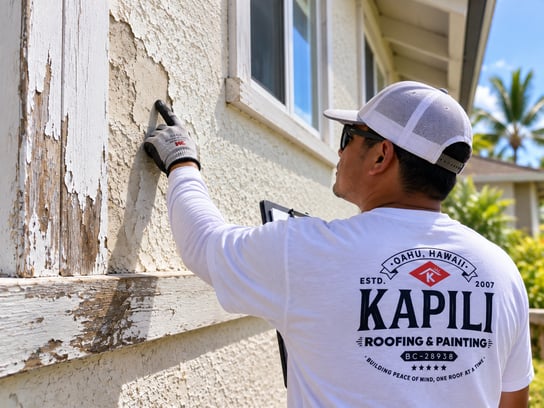
Stucco
Bubbling on stucco can be related to moisture, coating adhesion, surface contamination, cracks, or an incompatible coating system.
If moisture is entering through cracks or other openings, those conditions should be addressed before repainting.
Wood Siding
Wood can absorb and release moisture.
If deteriorated wood, failed caulking, or another moisture pathway exists beneath the paint, simply coating the surface again may not solve the problem.
Soft, deteriorated, or damaged wood should be evaluated before painting.
Fiber Cement
Fiber cement still requires proper cleaning, preparation, drying, and a compatible coating system.
Existing failing coatings should not simply be covered without determining whether they remain sound.
Concrete and Masonry
Concrete and masonry can present their own moisture and coating considerations.
These surfaces need to be properly prepared and sufficiently dry, and the primer and coating should be appropriate for the substrate and its condition.
Bubbling vs. Peeling vs. Cracking Paint
These problems are related, but they don't look exactly the same.
Bubbling or blistering creates raised pockets where the coating has lifted from the layer underneath.
Peeling occurs when paint loses adhesion and begins separating in strips, sheets, or flakes.
Cracking appears as splits or fractures through the coating.
One type of failure can eventually lead to another. A blister may break and begin peeling, while aging coatings can crack before larger sections loosen.
If multiple types of deterioration are appearing across several elevations, the issue may extend beyond a simple touch-up.
Can You Just Paint Over Bubbling Paint?
Usually, no.
Fresh paint may temporarily hide the bubbles, but it does not restore adhesion underneath the failed coating.
If loose paint remains beneath the new finish, the new coating is essentially attached to an unstable surface.
The better approach is to determine why the coating failed first.
That may mean addressing moisture, cleaning contamination, removing loose paint, repairing the substrate, correcting caulking, allowing the surface to dry, and applying an appropriate primer before repainting.
This preparation-first approach is also why choosing the right contractor matters. If you're comparing painters, see our guide on how to choose a painting contractor in Hawaii.
How Is Bubbling Exterior Paint Repaired?
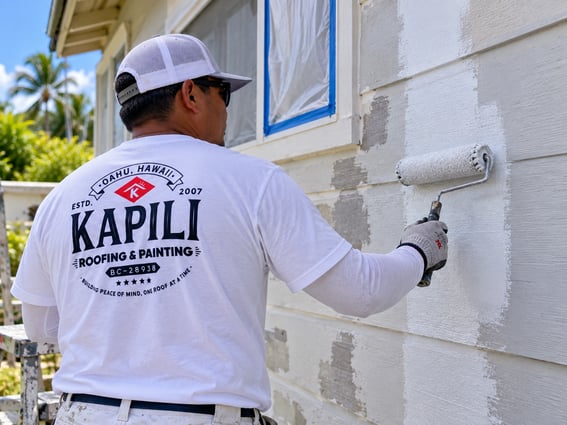
The exact repair depends on the cause, but a typical process may include:
- Inspect the affected area. Determine whether the bubbling is isolated or widespread.
- Identify the likely cause. Look for moisture, failed coatings, contamination, cracks, damaged caulking, or substrate deterioration.
- Remove loose and failing paint. Scrape or otherwise remove coating that no longer has adequate adhesion.
- Clean the surface. Dirt, chalk, mildew, salt, and other contaminants should be addressed.
- Repair damaged areas. Cracks, failed caulking, deteriorated wood, or other substrate problems may require attention.
- Allow the surface to properly dry. Follow the coating manufacturer's environmental and surface requirements rather than relying on one universal drying time.
- Prime where appropriate. Primer should be selected for the substrate and condition.
- Apply the finish system. Use an exterior coating appropriate for the surface and exposure.
Kapili Painting follows this preparation-first approach on our residential painting projects throughout Oahu and Maui.
Could Bubbling Paint Mean There's Damage Underneath?
Sometimes.
Bubbling paint can be the visible symptom of a condition underneath the coating.
Depending on the surface, further inspection may reveal:
- Moisture-damaged material
- Deteriorated wood
- Failed caulking
- Cracks in stucco or masonry
- Areas where an old coating has lost adhesion
- Moisture entering through another part of the building envelope
Those problems should be addressed before repainting whenever applicable.
Otherwise, the new finish may fail again.
Spot Repair or Full Exterior Repaint?
Not every bubble means the entire house needs repainting.
A localized repair may be reasonable when the problem is limited to a small area, the surrounding coating remains well adhered, and the underlying cause can be corrected.
A larger repaint may make more sense when bubbling, peeling, cracking, fading, or adhesion failure appears across multiple walls or elevations.
Other factors include the age and condition of the existing coating, the number of previous paint layers, substrate condition, and how well repaired areas can integrate with the existing finish.
An on-site evaluation is the best way to determine the appropriate scope.
Can I Fix Bubbling Exterior Paint Myself?
Small, isolated areas may be manageable for homeowners who are comfortable with surface preparation and painting.
The important part is not simply sanding down the bubble and covering it.
You still need to understand why it happened.
DIY repair becomes more complicated when:
- Bubbling keeps returning
- Large areas are affected
- Moisture is suspected
- Wood or another substrate appears damaged
- Paint is peeling across multiple elevations
- The home is multi-story or difficult to access safely
- You're unsure which primer or coating system is compatible
In those situations, a professional evaluation can help determine whether you're dealing with a small coating repair or a larger exterior issue.
How to Help Prevent Exterior Paint From Bubbling
No coating is immune to eventual wear, but proper maintenance can reduce avoidable failures.
Inspect the Exterior Regularly
Watch for early bubbling, peeling, cracks, deteriorating caulk, exposed substrate, and other signs of coating failure.
Keep Surfaces Clean
Dirt and coastal residue can accumulate over time. Appropriate exterior cleaning helps keep contaminants from building up on the coating.
For a more complete maintenance schedule, use our Exterior Paint Maintenance Checklist for Hawaii Homeowners.
Address Moisture Problems Early
Leaks, failed caulking, cracks, or other moisture pathways shouldn't be ignored.
Don't Wait Until Everything Is Peeling
Repainting while the existing system is still reasonably sound can require less corrective preparation than waiting until widespread coating failure has occurred.
Use the Correct Preparation and Coating System
A premium finish coat cannot compensate for an unstable surface underneath it.
Cleaning, repairs, drying, priming, and product compatibility all matter.
What About Bubbling Paint Inside the House?
Although this guide focuses on exterior paint, bubbling can also occur indoors.
Interior bubbling—especially on ceilings or walls near bathrooms, kitchens, windows, plumbing, or roof areas—can sometimes indicate excess moisture.
The source should be identified before the area is simply repainted.
For example, if moisture is entering from a roof or plumbing leak, painting the ceiling again doesn't stop the water.
Once the underlying problem has been corrected and the surface is ready for coating, damaged paint can be removed and the area properly prepared and repainted.
If the affected area is indoors, learn more about Kapili Painting's interior painting services.
Frequently Asked Questions
Why is my exterior paint bubbling?
Exterior paint bubbles when the coating loses adhesion to the surface underneath. Possible causes include moisture, humidity, poor surface preparation, contamination, failing existing paint, unsuitable primer or coating systems, and painting before the surface is ready.
Can Hawaii's humidity cause paint to blister?
High humidity and moisture can contribute to blistering, particularly when moisture becomes trapped beneath a coating or paint is exposed to unsuitable conditions before it has properly dried or cured.
Does salt air cause paint bubbling?
Salt exposure does not automatically cause paint to bubble, but salt and other surface contamination can interfere with coating adhesion if a surface isn't adequately cleaned and prepared before painting. This is an important consideration for coastal Oahu and Maui properties.
Can I paint directly over bubbling exterior paint?
Painting directly over bubbles usually does not correct the underlying adhesion problem. Loose paint should be removed and the cause of the failure addressed before the surface is properly prepared, primed where necessary, and repainted.
How do you fix bubbling exterior paint?
The repair generally involves identifying the cause, removing loose paint, cleaning and preparing the surface, correcting moisture or substrate problems, allowing the surface to dry properly, applying the appropriate primer, and repainting.
Does bubbling paint mean I need to repaint my whole house?
Not necessarily. Small isolated failures may be repairable. Widespread bubbling, peeling, cracking, or failing adhesion across several elevations may indicate that a larger repaint should be considered.
Can bubbling interior paint mean I have a leak?
It can. Interior bubbling may be associated with moisture from plumbing, roofing, condensation, or other sources. The moisture source should be investigated and corrected before repainting.
Have Bubbling or Peeling Paint on Your Oahu or Maui Home?
Bubbling paint is worth investigating before another coat goes on.
Kapili Painting is a local, licensed Hawaii painting contractor serving Oahu and Maui. We've served Hawaii since 2007 under Hawaii contractor license BC-28938, with exterior painting systems built around proper preparation and the conditions each property faces.
Limited-Time Exterior Painting Offer
Through September 30, 2026, qualifying full exterior painting projects can receive a FREE Sherwin-Williams Emerald® Exterior Paint Upgrade.
Schedule a Free Painting Estimate →
We'll evaluate your home's surfaces and provide a written estimate based on the actual condition of your property.
