How Often Should You Repaint Your Home in Hawaii?
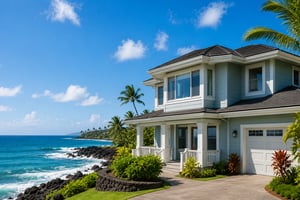
If you own a home in Hawaii, repainting isn't just about improving curb appeal—it's one of the best ways to protect your investment. Hawaii's unique climate, with intense UV rays, salt air, humidity, and frequent rain, causes exterior paint to wear much faster than in many mainland locations.
So, how often should you repaint your home in Hawaii?
For most homes, every 5–10 years is a good rule of thumb. However, the exact timeline depends on your home's location, the quality of the previous paint job, and the type of paint used.
In this guide, we'll explain what affects paint longevity, the signs your home needs repainting, and how to help your paint last longer.
 Why Hawaii Homes Need More Frequent Painting
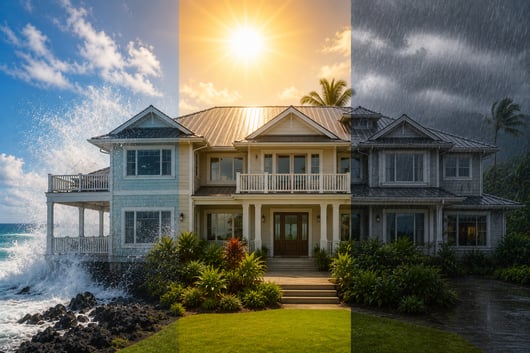
Hawaii's tropical environment is beautiful—but it's also tough on exterior surfaces.
Several environmental factors contribute to faster paint deterioration:
- Intense UV exposure causes colors to fade and paint to become brittle.
- Salt air accelerates wear, especially for homes near the coast.
- High humidity encourages mold, mildew, and algae growth.
- Heavy rainfall allows moisture to penetrate failing paint.
- Temperature fluctuations cause building materials to expand and contract over time.
Because of these conditions, regular exterior painting is an important part of home maintenance—not just an aesthetic upgrade.
How Long Does Exterior Paint Last in Hawaii?
While every home is different, here's a general guideline.
| Paint Quality | Expected Lifespan in Hawaii |
|---|---|
| Economy Paint | 3–5 years |
| Standard Acrylic Paint | 5–7 years |
| Premium Exterior Paint | 8–10+ years |
Homes located directly along the coastline may require repainting sooner due to increased salt exposure.
Using premium products and proper surface preparation can significantly extend the life of your paint.
7 Signs It's Time to Repaint Your Home
Not sure whether your home needs painting? Look for these common warning signs.
1. Fading Color
Hawaii's strong sun gradually breaks down paint pigments, causing noticeable fading.
2. Peeling or Flaking Paint
Peeling paint exposes the surface underneath, increasing the risk of moisture damage.
3. Cracking or Bubbling
Cracks and bubbles often indicate that moisture has become trapped beneath the paint.
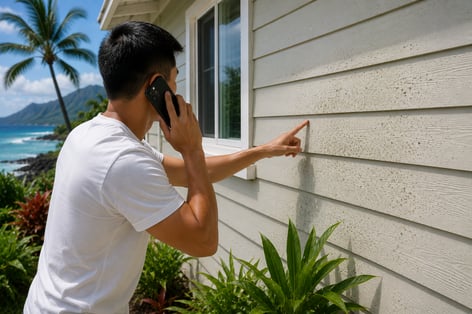
4. Chalky Residue
If you rub your hand across the siding and notice a powdery residue, the paint is beginning to deteriorate.
5. Mold or Mildew Growth
Dark streaks or mildew stains may indicate excessive moisture retention and failing paint protection.
6. Exposed Wood
Bare wood is vulnerable to rot, termites, and water intrusion if left untreated.
7. Caulking Is Cracking
Damaged caulking allows water to enter around windows, doors, and trim, reducing your home's weather protection.
What Happens If You Wait Too Long?
Delaying repainting can lead to much more than cosmetic issues.
As paint fails, your home's exterior becomes more vulnerable to:
- Moisture intrusion
- Wood rot
- Mold and mildew
- Costly siding repairs
- Reduced curb appeal
- Lower property value
Repainting before these issues develop is often far less expensive than repairing damaged building materials.
 How to Make Exterior Paint Last Longer
Proper maintenance can help extend the life of your paint between projects.
Here are a few simple tips:
- Wash your home's exterior once or twice each year.
- Trim vegetation away from painted surfaces.
- Repair cracks and damaged caulking promptly.
- Address mold or mildew before it spreads.
- Schedule periodic inspections after severe storms.
Routine maintenance helps preserve both the appearance and durability of your home's exterior.
Choosing the Right Paint for Hawaii's Climate
Not all exterior paints perform equally in Hawaii.
Look for paints that provide:
- Excellent UV resistance
- Moisture protection
- Mold and mildew resistance
- Flexible acrylic formulas
- Long-lasting color retention
Many professional painters recommend premium exterior coatings designed for tropical climates because they better withstand Hawaii's harsh environmental conditions.
Should You Hire a Professional Painter?
A quality paint job involves much more than applying fresh paint.
Professional painters properly:
- Clean and prepare surfaces
- Repair damaged areas
- Prime when necessary
- Use premium materials
- Apply paint according to manufacturer specifications
Proper preparation is one of the biggest factors affecting how long your new paint job will last.
If you're considering repainting your home, scheduling a professional inspection can help determine whether it's the right time.
Frequently Asked Questions
How often should you repaint a house in Hawaii?
Most homes in Hawaii should be repainted every 5–10 years, depending on exposure to sun, salt air, moisture, and the quality of the previous paint job.
Does salt air damage exterior paint?
Yes. Salt particles can accelerate paint deterioration, especially for homes located near the ocean.
What is the best season to paint a house in Hawaii?
Painting can be completed throughout much of the year, but scheduling during periods of lower rainfall generally produces the best results.
Does repainting increase home value?
Fresh exterior paint can improve curb appeal, protect your home's exterior, and make a positive impression on potential buyers.
Protect Your Home with Professional Exterior Painting
Exterior paint is your home's first line of defense against Hawaii's challenging climate. Repainting at the right time helps prevent moisture damage, protects your investment, and keeps your home looking its best.
If you've noticed fading, peeling, or cracking paint, it may be time for a professional evaluation.
Kapili Roofing & Painting provides expert exterior painting services throughout Oahu using high-quality materials and experienced crews dedicated to lasting results.
Request your free estimate today and give your home the protection it deserves.